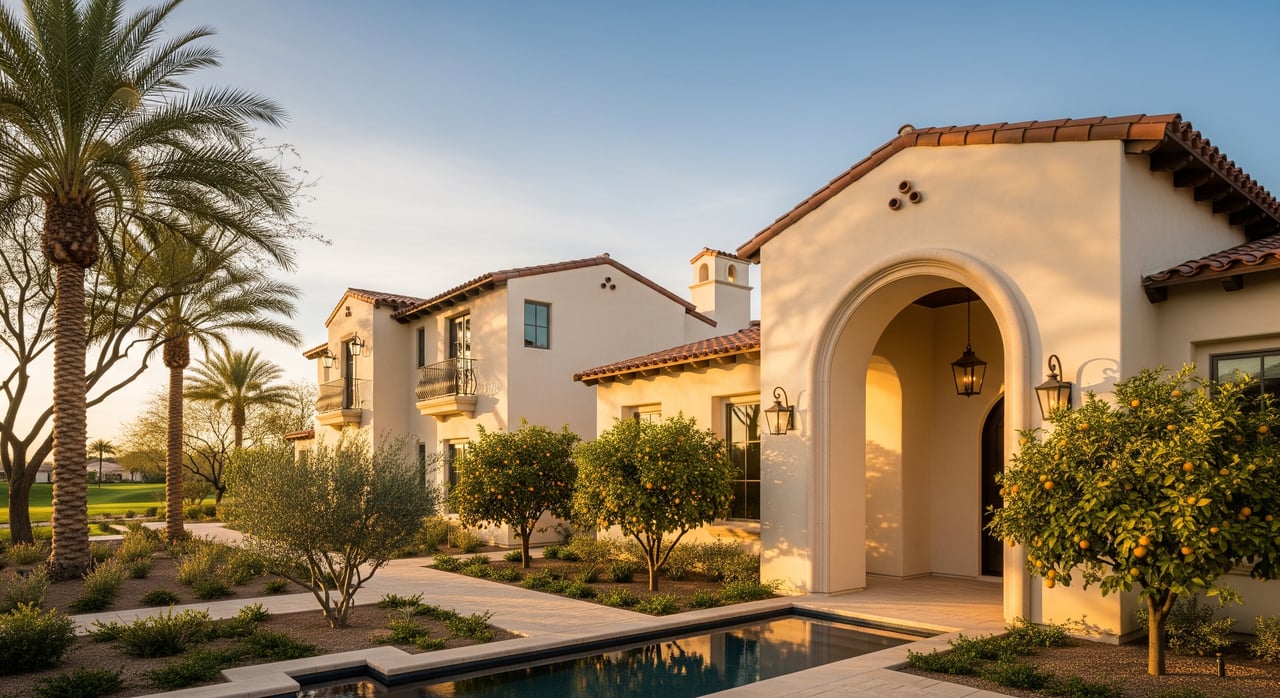
Trying to decide between a townhome and a single-family home in Litchfield Park? You’re not alone. With a small-city feel, resort amenities, and changing inventory, the right choice depends on how you want to live and what you want to spend month to month. In this guide, you’ll learn the key differences in costs, maintenance, financing, and resale so you can move forward with confidence. Let’s dive in.
Litchfield Park factors that matter
Litchfield Park is a small, mostly residential city in the West Valley. That smaller footprint means inventory can be limited, and shifts show up quickly when a few new listings hit the market.
You’ll find a mix of historic streets near the Wigwam resort and newer developments nearby. Proximity to Goodyear, Avondale, Glendale, and central Phoenix also shapes your commute and daily routines. Access to major roads like Loop 101 and regional arterials helps simplify travel.
Townhome vs single-family basics
Ownership and HOA rules
- Townhome: You typically own the interior and sometimes a small yard or patio. Most townhomes are in an HOA that manages exterior maintenance and common areas under CC&Rs. Rules can affect renovations, pets, and rentals.
- Single-family: You usually own the home and lot with more control over landscaping and exterior changes, subject to city zoning and any HOA.
Space and privacy
- Townhome: Shared walls and limited outdoor space. Great if you want low upkeep and community amenities.
- Single-family: More yard, more separation from neighbors, and flexibility to add features like a pool or workshop, subject to permits and any HOA.
Maintenance and amenities
- Townhome: Lower exterior maintenance. HOA may include landscaping, exterior paint, roofing, and shared amenities like pools or a fitness room.
- Single-family: You manage your roof, yard, and exterior. Costs are more variable but you have more freedom to customize.
Cost beyond the price tag
HOA dues and what they cover
- Townhomes usually have monthly HOA dues that fund exterior maintenance, reserves, and common-area insurance. Some single-family neighborhoods also have smaller HOA fees for community upkeep.
- Always review the HOA budget, reserve study, and insurance certificate to see what is covered and what could be assessed in the future.
Taxes and special assessments
- Property taxes are based on assessed value and local rates. Ask your agent to pull recent tax bills and check for special taxing districts or bonds that affect carrying costs.
- In an HOA, confirm whether any special assessments are planned or pending.
Insurance differences
- Townhome buyers often carry an HO-6 policy for the interior and personal liability. The association carries a master policy for the structure and common areas. Confirm if the master policy is bare-walls or broader.
- Single-family owners typically purchase a standard homeowners policy that covers the structure, other structures, and liability.
Utilities and upkeep
- Townhome: Lower yard and exterior costs. Some utilities may be shared or partially covered by the HOA.
- Single-family: Expect regular landscaping, possible pool service, and full responsibility for exterior maintenance.
Financing and HOA approvals
Attached townhomes can face extra lender review. Some programs require project or association approvals, and lenders may look closely at HOA reserves, litigation, and delinquency rates. If the project is not approved or HOA finances are weak, you may need a larger down payment or a different loan.
Financing for single-family homes is often more straightforward since you own the lot and the building. Lender focus falls mainly on your qualifications and the property’s condition.
Start early by confirming whether the townhome project meets your loan program requirements and request key HOA documents as soon as you go under contract.
Lifestyle fit in Litchfield Park
Historic vs newer areas
Old Litchfield Park features mature landscaping and distinctive architecture that appeal to buyers who value character and private outdoor space. Newer nearby developments often offer lower-maintenance homes, including attached options.
Commute and daily life
If you work in nearby West Valley employment centers or downtown Phoenix, consider your route and timing. Many buyers like the convenience of Loop 101 access and the community feel near the Wigwam resort, parks, and local services.
Outdoor space and pools
If you want room for pets, gardening, or a pool, a single-family home provides more flexibility. If a shared pool and a lock-and-leave lifestyle are higher priorities, a townhome community might be the better fit.
Resale outlook in this market
Single-family homes generally attract a wider pool of buyers and often see steady demand across price points. Townhomes can offer stronger absorption in entry-level ranges where low maintenance is valued by first-time buyers and downsizers. Because Litchfield Park is small, new listings can shift trends quickly. Before you decide, compare the latest 12-month sales, days on market, and sale-to-list ratios for both property types.
Smart next steps
Buyer checklist
- Review HOA documents early, including CC&Rs, rules, budget, reserve study, and insurance certificate.
- Verify financing eligibility for attached townhomes if using FHA, VA, or certain conventional loans.
- Order inspections that address shared systems, rooflines, exterior drainage, and any common-area responsibilities.
- Check flood maps and confirm utility providers. Ask about any special districts that affect bills.
- Compare recent single-family and townhome sales in the same area to understand value and tradeoffs.
Seller checklist
- Gather and share HOA documents promptly if applicable. Make sure fees and policies are up to date.
- Highlight what buyers care about: low maintenance and amenities for townhomes, space and flexibility for single-family.
- Price with carrying costs in mind. Buyers will weigh HOA dues against yard and pool upkeep.
- If in a townhome community, note reserve fund health and any rental or pet policies that matter to buyers.
Ready to compare real options in Litchfield Park? Let’s size up specific homes, costs, and financing paths that fit your goals. Reach out to The McIvor Team to start your plan.
FAQs
Which is typically cheaper in Litchfield Park?
- It varies by neighborhood and season. Compare the latest 12-month median prices and price per square foot for townhomes and single-family homes from recent local sales before deciding.
Will a townhome limit my mortgage options?
- It can. Some loan programs require project approvals and healthy HOA finances. Check eligibility and HOA status early so your loan and timeline stay on track.
Do townhomes have rental restrictions?
- Many associations set rental caps or require minimum owner-occupancy periods. Review the CC&Rs and rules to confirm what is allowed.
Which has better resale in this area?
- Resale depends on location, condition, price point, and current inventory. Single-family homes often draw a wider buyer pool, while well-located townhomes can sell quickly at entry-level prices.
How will HOA fees and taxes affect my monthly cost?
- Add projected HOA dues, current property taxes, insurance, and expected maintenance to your mortgage estimate. This total monthly number is the best basis for your decision.