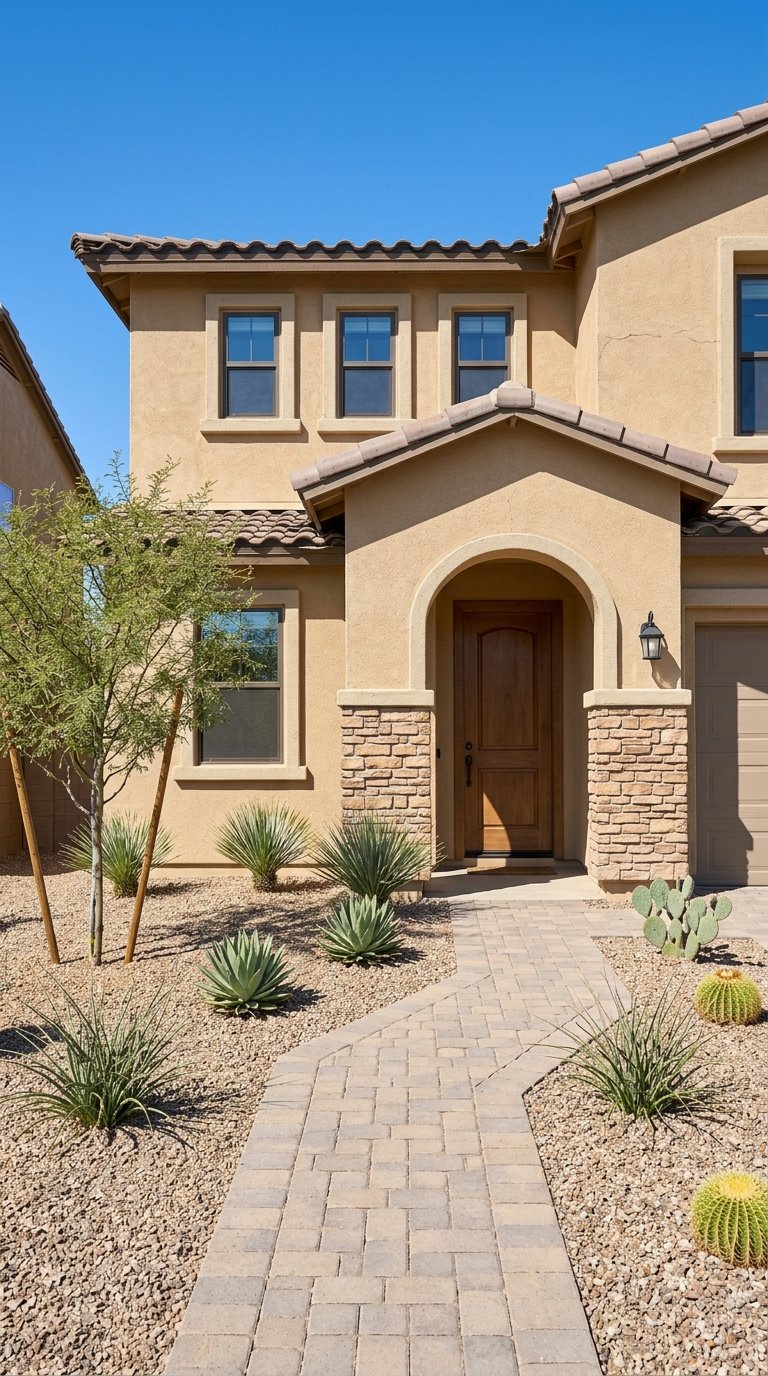
Trying to decide whether to sell your Phoenix home or keep it as a rental before moving west? You are not alone. This choice can affect your cash on hand, your stress level, and your long-term financial flexibility. If you are heading toward the West Valley, understanding today’s Phoenix market and the realities of being a landlord can help you make a smarter move. Let’s dive in.
Phoenix Market Conditions Matter
If you are hoping the market will make the decision for you, today’s numbers point to a more balanced picture. According to a HUD housing market analysis for the Phoenix-Mesa-Chandler area, the sales market is not acting like a fast-rising seller’s market, and vacancy conditions suggest buyers have more breathing room than they did in hotter years.
That broader trend lines up with more recent consumer-facing data. Zillow’s Phoenix market page showed an average home value of $410,169 as of March 31, 2026, down 2.7% year over year, with 5,370 homes for sale and a median sale price of $414,333, as noted in the research provided. In plain terms, pricing and timing matter more right now, which means the sell-versus-rent decision should be based mostly on your finances and lifestyle, not just hopes for quick appreciation.
When Selling Is the Cleaner Option
For many homeowners, selling is the simpler path. If you want to unlock your equity, reduce risk, and move on without managing a property from a distance, selling often gives you a cleaner exit.
This can be especially true in a balanced market. When prices are softer year over year, holding the home purely for short-term appreciation may be a weaker argument than it would be in a faster-moving market. If your main goal is to fund your next purchase or reduce the moving pieces in your relocation, selling may fit better.
You Need Equity for the Next Move
If you are buying again in the West Valley, cash from your current home can make the transition easier. You may want those proceeds for a down payment, closing costs, moving expenses, or a larger reserve after the move.
Selling can also make your monthly budget more predictable. Instead of carrying a mortgage, repairs, insurance, and vacancy risk on your old home, you convert that equity into usable cash.
You Want a Simpler Transition
Long-distance moves already come with enough logistics. If you do not want ongoing maintenance calls, tenant issues, or bookkeeping after you relocate, selling can protect your time and energy.
Arizona landlords have real responsibilities. The Arizona courts’ landlord and tenant obligations summary explains that landlords must maintain a fit and habitable property, make repairs, keep required systems working, and follow notice rules for entry. If that sounds like more than you want to manage from afar, that is an important signal.
You May Qualify for the Home-Sale Exclusion
Taxes can be a major reason to sell now instead of later. The IRS says many homeowners can exclude up to $250,000 of gain, or up to $500,000 on a joint return, if they meet the ownership and use tests during the five-year period ending on the sale date. You can review those rules in the IRS guide on the sale of your residence.
That does not mean everyone should sell immediately, but it does mean timing matters. If you convert the home to a rental and wait too long, the tax picture may become less favorable.
When Renting Out May Make More Sense
Renting can still be the right move if you want flexibility and are prepared for the work. In Phoenix, the rental story is not one-size-fits-all.
The broad apartment market has shown softness, but detached homes are a different category. In the same HUD Phoenix-Mesa-Chandler report, apartment vacancy was reported at 11.3%, while professionally managed single-family rentals had just 2.5% vacancy. That gap matters if your property is a detached house rather than a condo or apartment-style unit.
Your Home Is a Good Single-Family Rental Candidate
If you own a detached Phoenix home, renting may be more viable than citywide apartment averages suggest. HUD found that professionally managed three-bedroom single-family rents rose about 8% annually from December 2020 to December 2024.
That does not guarantee your home will perform well, but it supports the idea that some houses can hold stronger rental demand than the broader market headlines imply. Property type and location within the metro matter a lot.
You Want Long-Term Flexibility
Renting can preserve your options. You may want to keep the home for future use, hold it as a long-term asset, or wait before making a final decision.
That strategy tends to work best if you have financial reserves. You need room in your budget for repairs, turnover costs, leasing gaps, and the possibility that rent does not cover every expense right away.
You Are Ready for Landlord Duties
A rental home is not passive by default. Even with good tenants, you may need to handle repairs, compliance, communication, and move-out accounting.
Arizona law adds important requirements. The Arizona courts note that landlords cannot simply change locks or shut off utilities and must follow the proper legal process. They also explain that under A.R.S. § 33-1321, landlords generally must provide an itemized security-deposit accounting and any remaining balance within 14 days after termination and delivery of possession. Those details matter if you are thinking, “I’ll just rent it out for a while.”
Tax Complexity Changes After Conversion
One of the biggest surprises for homeowners is how much more complicated taxes can become after a conversion to rental use. Once your former home becomes a rental, it is no longer treated only as a personal residence for tax purposes.
According to IRS Publication 527, rental income and expenses must be reported, depreciation generally begins on the conversion date, and expenses may need to be split if the home was part personal use and part rental during the year. The depreciation basis is generally the lesser of fair market value or adjusted basis on the date of conversion.
This matters later when you sell. The home-sale exclusion may still be available if you meet the ownership and use tests, but depreciation allowed or allowable after May 6, 1997 is generally not excludable. In other words, renting first does not automatically erase the exclusion, but it can reduce how much of your gain is tax-free.
If You Are Moving West, Look Beyond Headlines
If your next stop is the West Valley, your decision should also reflect what is happening on that side of the metro. HUD reported that rental demand is expected to concentrate near job-growth centers in the West Valley and near the TSMC corridor, but it also reported 6,800 rental units under construction in West Valley market areas.
That same report noted west-side apartment rents fell 1% to 4% year over year in some areas, and some west-side submarkets had the highest vacancies in the metro. That does not mean your Phoenix home should or should not become a rental. It means you should avoid broad assumptions and compare your actual home, timeline, and monthly numbers against current conditions.
A Simple Way to Decide
If you feel stuck, start with the questions that matter most:
- Do you need your equity for the next home purchase or move?
- Do you want a clean break, or do you want to keep future options open?
- Can you comfortably cover repairs, vacancy, and turnover costs?
- Are you willing to handle landlord duties or hire help?
- Have you reviewed how converting to a rental may affect taxes later?
If most of your answers point toward simplicity, liquidity, and low ongoing responsibility, selling is often the stronger choice. If your answers point toward long-term flexibility, cash reserves, and comfort with landlord obligations, renting may be worth a closer look.
The Bottom Line for Phoenix Homeowners
For many Phoenix homeowners moving west, selling is the cleaner and less stressful option. Today’s balanced sales market, softer year-over-year pricing, and the legal and tax complexity of becoming a landlord all make simplicity more valuable than it might have been a few years ago.
Still, renting can make sense in the right situation, especially if you own a detached single-family home, have a longer time horizon, and are prepared for the real costs and responsibilities that come with being a landlord. The best answer is not about picking the “hotter” market. It is about choosing the option that fits your balance sheet, your timeline, and your tolerance for ongoing work.
If you are weighing a move from Phoenix into the West Valley, The McIvor Team can help you think through your options, understand local market conditions, and plan your next step with confidence.
FAQs
Should you sell or rent out a Phoenix home in today’s market?
- It depends on your goals. Selling is often cleaner if you want equity, simplicity, and fewer risks, while renting may work better if you want long-term flexibility and can handle vacancy, repairs, and landlord duties.
Is Phoenix a strong rental market for single-family homes?
- The research shows a mixed rental market overall, but professionally managed single-family rentals have been much tighter than apartments in the Phoenix area, so detached homes may perform differently from broad apartment trends.
Does renting out a former Phoenix primary residence affect taxes?
- Yes. Once you convert the home to a rental, you generally must report rental income and expenses, begin depreciation based on IRS rules, and plan for a more complex tax situation when you eventually sell.
Can you still use the federal home-sale exclusion after renting out your Phoenix home?
- Possibly. The IRS says you may still qualify if you meet the ownership and use tests, but depreciation after conversion is generally not excludable and can reduce the tax-free portion of your gain.
What landlord duties apply if you rent out a home in Arizona?
- Arizona landlords must maintain a fit and habitable property, make required repairs, follow notice rules for entry, and handle security-deposit accounting according to state law and court guidance.
Should moving to the West Valley change your sell-versus-rent decision?
- It can. West Valley housing conditions vary by area and property type, so your decision should account for your next purchase, your budget, and how much risk and management responsibility you want to carry after the move.