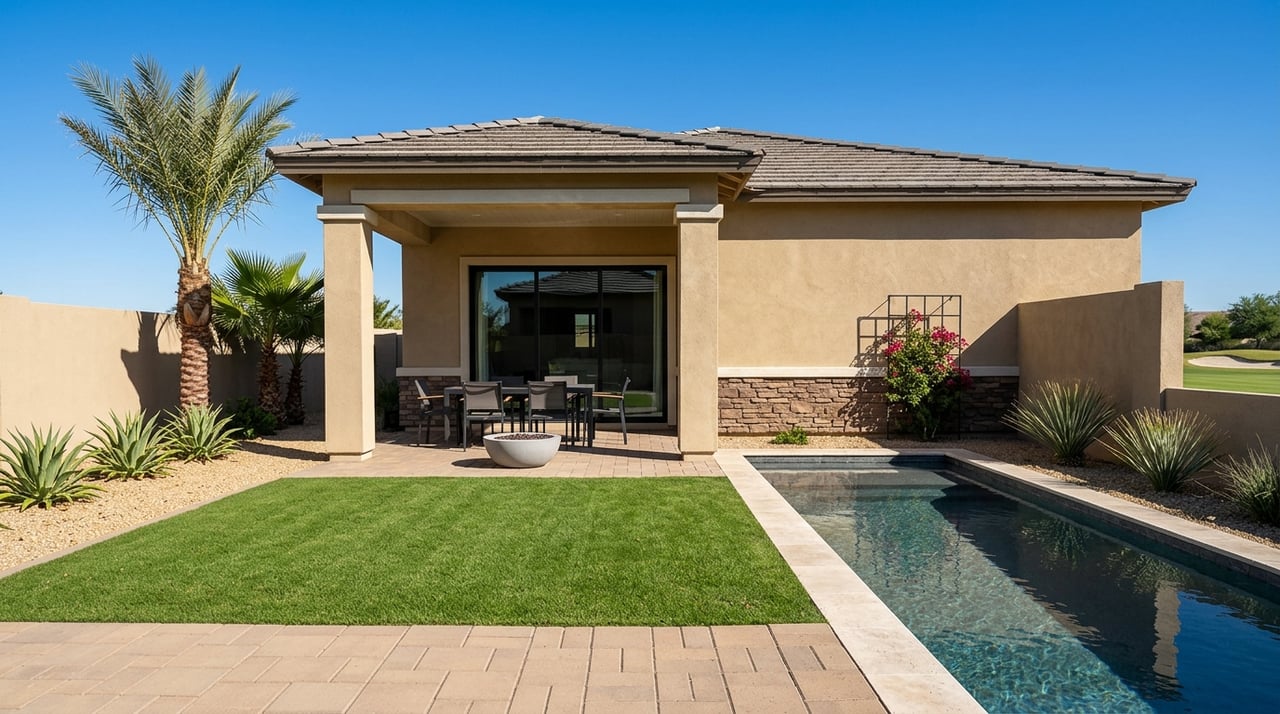
If you are selling a home in one of Litchfield Park’s golf communities, you are not just listing bedrooms and bathrooms. You are selling outdoor living, neighborhood context, and a lifestyle that buyers often notice online before they ever step inside. That can feel like a lot to manage, but with the right prep, pricing, and presentation, you can stand out in a competitive niche. Let’s dive in.
Why golf-community sales are different
Litchfield Park is not a one-size-fits-all market. The city highlights The Wigwam Resort as a major local attraction, and The Wigwam includes three 18-hole championship courses with 54 holes onsite. That makes golf-adjacent and resort-adjacent homes a distinct segment, not just another suburban listing.
For you as a seller, that means buyers may weigh your lot position, outdoor space, and proximity to golf or resort features more carefully than they would in a typical neighborhood. It also means broad city averages only tell part of the story. In this market, neighborhood-specific pricing and marketing matter.
What the local market suggests
Several market sources place Litchfield Park in the upper-midrange price band with a moderate sales pace. Recent snapshots showed median prices around the mid-$500,000s to upper-$500,000s, with days on market ranging from about 39 to 66 days depending on the source and reporting period.
Those differences do not mean the data is unreliable. They reflect different methods and timing. The key takeaway is that your home needs to be priced and positioned carefully, especially when buyers have options and listings may sit for several weeks before going under contract.
Why neighborhood pricing matters
Golf-community sellers often assume course proximity automatically adds a premium. Sometimes it can, but the research suggests that pricing should stay anchored in current neighborhood comps instead of assumptions.
That is especially important in Litchfield Park because nearby subareas can vary widely. Reported local medians range from about $409,950 in Wigwam Creek North to nearly $995,000 in Village at Litchfield Park. A fairway-facing lot, updated finishes, pool features, HOA costs, and exterior obligations all need to be evaluated in context.
Price your home with current comps
Recent market indicators show a fairly balanced pricing environment. Zillow reported a median sale-to-list ratio of 0.989, Realtor.com reported a sales-to-list ratio of 99%, and Redfin summarized the market as homes selling about 3% below list on average.
For you, that means buyers may still pay strong prices, but overpricing can reduce momentum. In a market where days on market often land in the high 50s or mid 60s, an aggressive list price can cause your home to linger and weaken your negotiating position.
What to compare before setting price
When reviewing comps, focus on homes that closely match your property in the areas buyers notice most:
- Neighborhood or subarea
- Lot position and view corridor
- Golf-course or resort adjacency
- Outdoor living features like patios, pools, or spas
- Interior updates and overall condition
- HOA dues and any special costs tied to the community
A good pricing strategy should reflect how your home compares within its immediate area, not just across Litchfield Park as a whole.
Lead with photos and visual marketing
Most buyers begin their search online, and that matters even more in a visually driven niche like a golf community. NAR data show that many buyers start by looking online for properties, 52% found the home they bought on the internet, and photos were one of the most useful listing features for nearly nine in 10 buyers age 58 and under.
That means your first showing usually happens on a screen. If your listing media does not capture the setting, scale, and flow of your home, buyers may move on before they ever schedule a tour.
The listing photos buyers want to see
In a golf-community home, buyers are not only evaluating the interior. They are also looking at how the home connects to the outdoor environment. Your visual story should highlight:
- Front exterior and curb appeal
- Patio or covered outdoor room
- Pool or spa, if applicable
- View corridors and lot orientation
- Living spaces that connect well to the backyard
- Kitchen and primary bedroom
NAR guidance also recommends using video, virtual tours, floorplans, and strong outdoor-space coverage. Since room size and layout do not always translate well in photos, media should help buyers understand both scale and lifestyle.
Stage the rooms that matter most
Staging helps buyers picture themselves in the home. In NAR’s 2023 staging report, 81% of buyers’ agents said staging made it easier for buyers to visualize a property as a future home.
The most important spaces to stage were the living room, primary bedroom, and kitchen. Yard and outside space also ranked among the areas buyers cared about, which is especially relevant when you are selling in a golf-oriented setting.
Simple staging priorities for golf-community sellers
If you want to focus your effort where it counts most, start here:
- Declutter the living room and define conversation areas
- Keep the kitchen clean, bright, and open
- Make the primary bedroom feel calm and spacious
- Refresh patio furniture and outdoor accessories
- Clean up pool areas, hardscapes, and landscaping
- Open sightlines to views and backyard features
You do not need to overdecorate. In most cases, clean, bright, and intentional works better than highly personalized styling.
Plan around Arizona weather
Season and timing can shape how well your home shows. Realtor.com’s 2026 analysis found that early spring can be especially beneficial for sellers in the South and West, where inventory tends to be more abundant and timing can affect results.
That lines up with the local climate. Phoenix summers are extremely hot, with mean maximum temperatures above 104 degrees in June, July, and August, while winter brings more comfortable daytime conditions that support outdoor activity. In practical terms, winter and early spring often make it easier to showcase patios, pools, and indoor-outdoor living.
Best timing for photos and showings
Even if you are not listing in peak season, you can still improve presentation by planning around the climate:
- Schedule exterior photography in softer morning or evening light
- Avoid midday summer photo sessions when heat and glare are strongest
- Show outdoor spaces when temperatures are more comfortable
- Keep the home cool and bright for in-person tours
When outdoor living is part of the value, timing can directly affect buyer perception.
Use virtual tools for remote buyers
Litchfield Park attracts buyers who may not be local when they first start shopping. Because many buyers search remotely, your marketing should help them understand the home even if they cannot visit right away.
NAR guidance recommends video, virtual tours, and remote walkthrough options like Zoom or FaceTime. These tools can help buyers see layout, scale, and outdoor flow more clearly, which is especially useful when your home’s appeal goes beyond finishes alone.
For sellers, this expands your audience. A strong digital presentation can help your listing connect with buyers who are relocating, comparing options from out of town, or narrowing choices before they travel.
Gather HOA documents early
In planned communities, paperwork can affect your timeline. Arizona law requires the association to provide key resale documents within 10 days after notice of a pending sale, including items such as bylaws, the declaration, current assessment amounts, insurance and reserve information, records of certain violations related to alterations or improvements, and pending litigation summaries.
The association may also charge up to $400 for preparing and delivering the resale disclosure package, along with limited rush or update fees. If you wait until the last minute to understand what is in your file, you can create unnecessary stress during escrow.
What to collect before listing
A smart seller prep file should include:
- HOA dues and payment details
- CC&Rs and community rules
- Any special assessments
- Landscaping or exterior-maintenance obligations
- Notices related to rule compliance or property changes
- Information about any exterior alterations or approvals
Getting organized early helps you avoid surprises and answer buyer questions with confidence.
Understand Arizona disclosure duties
Arizona sellers have a duty to disclose known facts that materially affect the value of the property when those facts are not readily observable and not known to the buyer. The Arizona Association of Realtors Seller’s Property Disclosure Statement, often called the SPDS, is designed to help sellers make those required disclosures.
For you, this is not just a paperwork step. It is an important part of keeping the transaction transparent and reducing the risk of conflict later. If there are known issues with the home, the lot, improvements, or community-related matters that affect value, they should be addressed clearly and honestly.
A practical seller checklist
Before your home goes live, use this short checklist to stay focused:
- Price from recent nearby comps, not assumed golf premiums
- Gather HOA documents and community cost details early
- Review any known property issues before completing disclosures
- Stage the living room, kitchen, primary bedroom, and outdoor areas
- Invest in professional photos, video, and virtual tours
- Highlight patios, pools, views, and indoor-outdoor flow
- Plan photography and showings around better light and lower heat
Each of these steps supports the same goal: helping buyers understand what makes your home worth seeing and worth offering on.
Selling in a Litchfield Park golf community takes more than putting a sign in the yard. You need neighborhood-level pricing, polished visual marketing, and careful prep around disclosures and HOA documents. If you want calm, step-by-step guidance from a West Valley team that understands how to position homes for today’s buyers, The McIvor Team is here to help.
FAQs
How should you price a home in a Litchfield Park golf community?
- You should price it using recent comps from the same neighborhood or subarea, while factoring in lot position, outdoor features, updates, and HOA costs rather than assuming a golf premium.
What listing photos matter most for Litchfield Park golf-community homes?
- Buyers usually want to see the front exterior, patio, pool or spa, backyard views, main living areas, kitchen, and primary bedroom, with a clear focus on indoor-outdoor connection.
When is the best time to show a golf-community home in Litchfield Park?
- Winter and early spring are often friendlier for showing outdoor spaces, and exterior photography usually works best in softer light during cooler parts of the day.
What HOA documents do sellers need in Arizona planned communities?
- Sellers should gather community rules, dues information, assessments, insurance and reserve details, and any records related to violations, alterations, or pending community issues that may appear in the resale package.
What do Arizona sellers need to disclose when selling a home?
- Arizona sellers must disclose known facts that materially affect the property’s value if those facts are not readily observable and are not already known to the buyer.