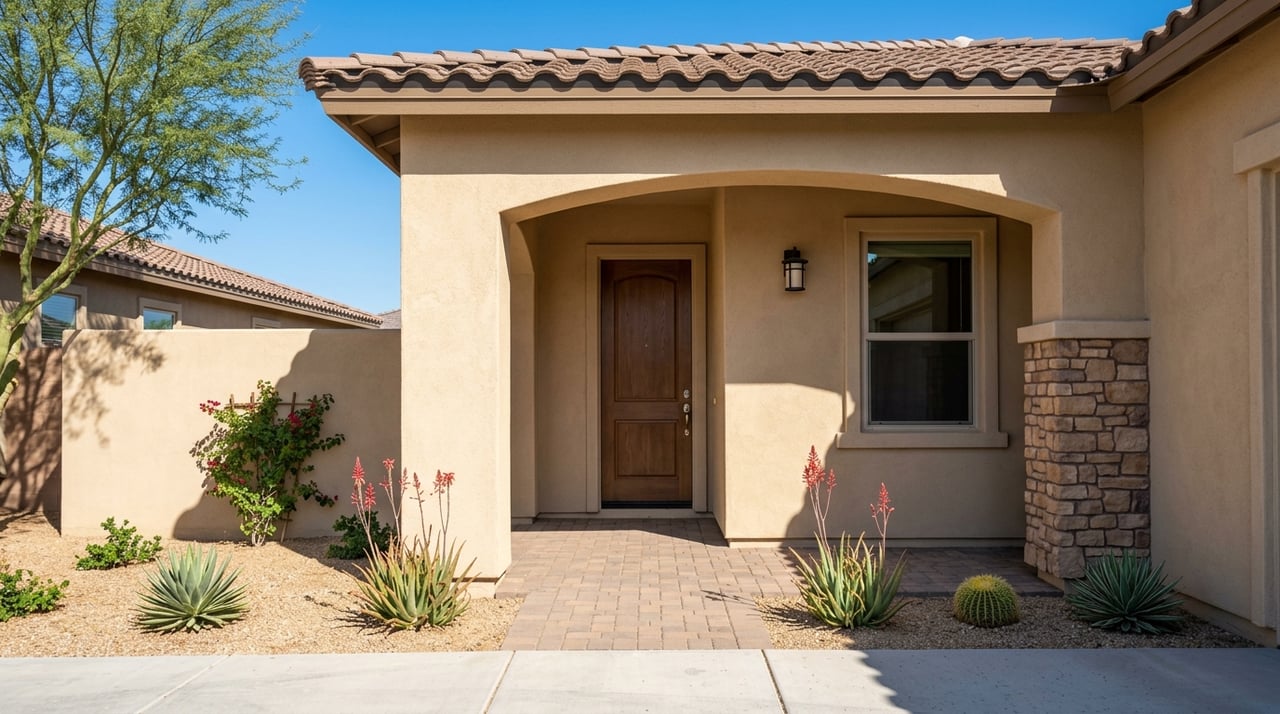
You might be staring at a set of keys, a lifetime of memories, and a long to‑do list. If you are helping a parent move to care or you are handling an estate in Sun City, it can feel overwhelming. The good news: with the right steps, you can sell confidently, protect the estate, and keep your timeline realistic. This guide gives you a clear plan tailored to Sun City, including legal checkpoints, market timing, and local resources. Let’s dive in.
Why Sun City sales are unique
Sun City is an age‑restricted community with many long‑owned, single‑story homes. That often means estate or downsizing sales, smaller floorplans, and buyers who want move‑in ready. Recent snapshots place typical sale prices in the high $200,000s to low $300,000s, with time to go pending commonly several weeks to a few months. Expect ranges, and confirm current values near your list date.
Why this matters for you: investors and retirees are common buyers, so preparation and realistic pricing matter. Decide early if you will do light repairs or sell as‑is. Understand who pays for services in the contract, since that can shift your net proceeds.
First legal checks before you list
Confirm authority to sell
If your parent is alive and able to sign, the simplest path is for them to sign listing and closing documents. If they cannot, a valid durable power of attorney that specifically authorizes real‑property sales may let you act on their behalf. Arizona law sets the execution rules for a durable power of attorney, including witness and notary requirements. Review A.R.S. §14‑5501 and have the title company pre‑approve the POA before you list. You can read the statute at the Arizona Legislature site for A.R.S. §14‑5501 and see common lender and title requirements in HUD’s guidance on powers of attorney.
Probate or small‑estate options
If the homeowner has passed away and there is no trust or recorded transfer that already moved title, the estate may need authority before a title company will close. Arizona raised small‑estate affidavit thresholds effective in 2025, which can shorten timelines for many families. Under the updated statute, an affidavit can collect personal property up to $200,000 and transfer real property where the net value does not exceed $300,000, subject to waiting periods and other conditions. See the bill text for details at HB 2116 (A.R.S. §14‑3971 changes) and review forms and instructions on the Maricopa County Superior Court probate self‑help page.
Practical timing tip: small‑estate affidavits for personal property may be used sooner than for real property. The real‑property affidavit generally requires a longer wait. Always verify the current forms and steps with the Maricopa Probate Registrar.
Beneficiary (TOD) deed check
Arizona allows a transfer‑on‑death or beneficiary deed that moves title to named beneficiaries when the owner dies. If a valid beneficiary deed was recorded before death, you may be able to accept title and sell faster than through probate. Confirm the recorded deed and chain of title with the title company. For an overview of beneficiary deeds, see this guide to transfer‑on‑death deeds.
Mortgages, reverse mortgages, and liens
Any loans or liens must be paid at closing. If there is a reverse mortgage, the loan typically becomes due when the borrower dies or no longer occupies the home as a principal residence. Contact the servicer right away for payoff procedures, timelines, and required documents. Title cannot close without a formal payoff.
Property taxes and local obligations
Maricopa County property taxes are billed on a standard schedule, with first‑half installments due October 1 and second‑half due March 1 of the following year. Your title company will prorate property taxes at closing and check for special assessments or utility liens. You can verify parcel‑level tax status at the Maricopa County Treasurer.
Federal tax basics for heirs and sellers
- Step‑up in basis: Property inherited from a decedent generally receives a cost basis equal to fair market value on the date of death, which often reduces or eliminates capital gains on a prompt sale. See the IRS discussion in Publication 550.
- Principal residence exclusion: If a beneficiary or surviving spouse meets the IRS ownership and use tests, they may qualify for a gain exclusion when selling a primary residence. Review rules in IRS Publication 523. For estates near federal thresholds or with special issues, ask a CPA for guidance.
Timeline you can expect
Days 0–14: set the foundation
- Gather documents: deed, mortgage or reverse‑mortgage statements, recent tax bill, HOA info if any, will or trust, and any power of attorney.
- Confirm legal authority: if the owner has died, check whether a beneficiary deed or trust applies. If not, review small‑estate affidavit options and timelines on the Maricopa Superior Court probate self‑help site.
- If selling while the owner is alive but incapacitated, have your title company review the POA for recording and lender requirements. See HUD’s POA guidance.
- Interview a local agent experienced with Sun City, estates, and 55+ sales. Ask about pricing, days on market, vendor coordination, and their plan for out‑of‑state heirs.
Weeks 2–8: prepare the home
- Declutter and inventory: separate keepsakes, legal records, and medications from items to sell or donate. A Certified Senior Move Manager can coordinate sorting, packing, and distribution, which saves time and reduces stress. Find vetted pros at the NASMM directory.
- Safety and light repairs: address trip hazards, lighting, handrails, and any obvious issues that could affect appraisals or buyer confidence. In Sun City, targeted fixes often go further than full remodels.
- Estate sale vs donate vs consignment: decide based on value and your time. If using an estate sale company, confirm fees, insurance, and a written inventory.
Listing to contract to close
- Listing to contract: recent snapshots for Sun City show homes going pending in roughly 40 to 70 days depending on price and condition. Estate homes or as‑is listings may take longer, so build this into your timeline.
- Contract to close: expect 30 to 45 days for a financed buyer. Cash can close faster. If probate is required, add months. If a small‑estate affidavit or beneficiary deed applies, you may move much sooner once the title path is clear.
Options for speed vs burden
- Cash as‑is sale: fastest and simplest logistics, often at a discount to market.
- Limited repairs plus strong pricing: modest updates and smart staging can reduce days on market and improve net.
- Pre‑inspection: optional, but it can help you disclose clearly and avoid last‑minute renegotiation.
What to gather and who to call
Document checklist
- Photo IDs for authorized signers
- Deed, title policy if available, and any beneficiary deed
- Mortgage or reverse‑mortgage statements and servicer contacts
- Last two property‑tax statements and HOA information
- Will or trust, letters of appointment, or small‑estate affidavits
- Utility account details for final billing and shutoff dates
Coordination team
- Real estate agent: sets pricing strategy, manages showings, negotiates terms, and coordinates vendors familiar with Sun City and estate timelines.
- Title and escrow: verifies authority to sell, confirms payoff amounts, orders title commitment, and handles tax prorations. Many will require a recorded POA when used for closing. See HUD’s POA guidance.
- Probate or estate attorney: confirms whether the estate qualifies for small‑estate affidavits or needs formal probate. Visit the court’s probate self‑help center for forms and steps.
- CPA or tax advisor: advises on step‑up in basis and any sale‑related tax filings. Review the IRS overview in Publication 550 and the home‑sale exclusion in Publication 523.
- Senior Move Manager or organizer: plans downsizing, inventory, and disposition. Find credentialed providers via NASMM.
- Estate sale or donation partners: manage contents and pickup scheduling.
- Mortgage or reverse‑mortgage servicer: provides payoff statements and timelines.
Pricing and disclosures that work in Sun City
Price to the market you have, not the one you wish for. In Sun City, buyers respond to clean, safe, and functional homes with simple updates. A fresh yard trim, brighter bulbs, and a deep clean go a long way. If time is tight or the home needs work, an as‑is price can draw investor interest quickly.
Be transparent in your disclosures. If you are selling for an estate and know limited history, say so and provide any inspection or repair receipts you do have. Order an early title commitment to surface liens or boundary issues. Clear, early information reduces retrades and delays.
How The McIvor Team helps families
Selling during a family transition is more than a transaction. You need a plan, clear communication, and a team that understands Sun City and Maricopa County processes. We routinely help adult children, personal representatives, and out‑of‑state heirs coordinate every step: verifying authority, working with title, managing vendors, and setting a pricing strategy that fits your goals and timeline.
We combine hands‑on service with eXp’s digital tools, so you can manage the sale from anywhere. If you want a thoughtful plan and a calm, step‑by‑step process, reach out to The McIvor Team. We can start with a no‑pressure conversation and a free home valuation.
FAQs
Can I sell my parent’s Sun City home using a power of attorney?
- Yes, if the power of attorney is valid under Arizona law and specifically grants authority to sell real estate, and if the title company and any lender accept it. Review A.R.S. §14‑5501 and confirm closing requirements with your title company and HUD’s POA guidance early.
How soon can heirs sell after a death in Maricopa County?
- If a recorded beneficiary deed or trust transfers title, you may sell once the transfer is of record. If not, the Arizona small‑estate affidavit process may apply depending on the $200,000 personal‑property and $300,000 real‑property thresholds and waiting periods. See HB 2116 updates and the court’s probate self‑help page.
Will heirs owe capital gains tax if they sell soon after inheriting?
- Usually an inherited home receives a step‑up in basis to fair market value on the date of death, which often results in little or no taxable gain on a prompt sale. Review the IRS overview in Publication 550 and ask a CPA about your situation.
What if there is a reverse mortgage on the Sun City home?
- Contact the loan servicer immediately. Reverse mortgages usually become due when the borrower dies or moves out, so the estate or heirs must arrange payoff or sale under the servicer’s timeline before closing.
How are Maricopa County property taxes handled at closing?
- Title will prorate taxes based on the closing date and confirm any amounts due. You can view schedules and parcel details with the Maricopa County Treasurer.