Getting your Peoria home ready to sell can feel like spinning plates. You want the best price, a smooth timeline, and zero last‑minute surprises. With a clear plan and the right prep, you can control what matters most and move from first walkthrough to closing with confidence. This step‑by‑step checklist shows you exactly what to do, when to do it, and how to avoid the most common delays. Let’s dive in.
Know your Peoria market
Peoria’s prices and pace vary by source and by neighborhood. Redfin reported a median sale price near $535,000 in January 2026 with a median days on market around 87 days, which points to a mixed‑speed market where pricing and presentation matter (Redfin market overview). Other trackers often show lower value estimates in the $480,000 to $490,000 range, while some list‑price gauges were closer to $600,000 in early 2026. Different methods explain the gaps.
Neighborhoods and ZIP codes across Peoria perform differently, so lean on local, block‑level comps for pricing. You can review submarket snapshots to see how Vistancia and other areas differ by days on market and list‑to‑sale patterns (Realtor.com Peoria trends). In a market like this, accurate pricing, professional marketing, and clean paperwork are the levers that protect your net proceeds.
Step 1: Do a smart first walkthrough
Walk your home with your listing agent and build an action list. Focus on safety and function first: electrical or trip hazards, visible roof or soffit issues, plumbing leaks, HVAC age and service history, and pool equipment. Note anything that hurts marketability, like worn carpet, strong odors, or overgrown desert landscaping.
If your home is older or you’ve had recent issues, consider a pre‑listing inspection. In Arizona, buyers and sellers commonly negotiate repairs using the AAR Buyer’s Inspection Notice and Seller’s Response form, known as BINSR. A pre‑listing inspection can reduce surprises and speed up responses during that stage (AAR standard forms).
Step 2: Gather required disclosures
Arizona requires you to disclose known material facts. Most sellers complete the AAR Residential Seller’s Property Disclosure Statement (SPDS) and provide the statewide Seller Advisory. Finishing these before you go live keeps your deal on track and builds trust with buyers (AAR standard forms).
If your home was built before 1978, federal law requires a lead‑based paint disclosure and that you give buyers the EPA pamphlet, plus a 10‑day inspection window unless waived. Add this to your pre‑list checklist for older homes (lead‑based paint rule details).
For a very small group of properties, Arizona’s 2025 rule under HB 2127 requires notice if the site is a “qualifying property” with a known hazardous‑substance release or is listed on certain environmental registries. If you think this could apply, confirm your parcel status and follow the notice steps outlined in the law (Arizona HB 2127 text).
Step 3: Order the HOA packet early
Many Peoria homes are in HOAs or planned communities. The resale packet typically includes assessments, balances, governing documents, insurance, and any pending litigation. Local turnaround is often 5 to 15 business days and fees generally range from about $150 to $400, with expedite options. Order it as soon as you go under contract to avoid delaying the buyer’s review window or your closing date. Packets are often valid 30 to 60 days, so late delivery can force a re‑issue (HOA resale guidance).
Step 4: Make high‑ROI fixes before photos
Focus on simple, high‑impact updates that matter in a desert market.
- HVAC: Service and sanitize the AC. Keep invoices ready to show buyers your system is in good shape.
- Pool: Clean, balance water, and confirm equipment works. Repair obvious items buyers will spot.
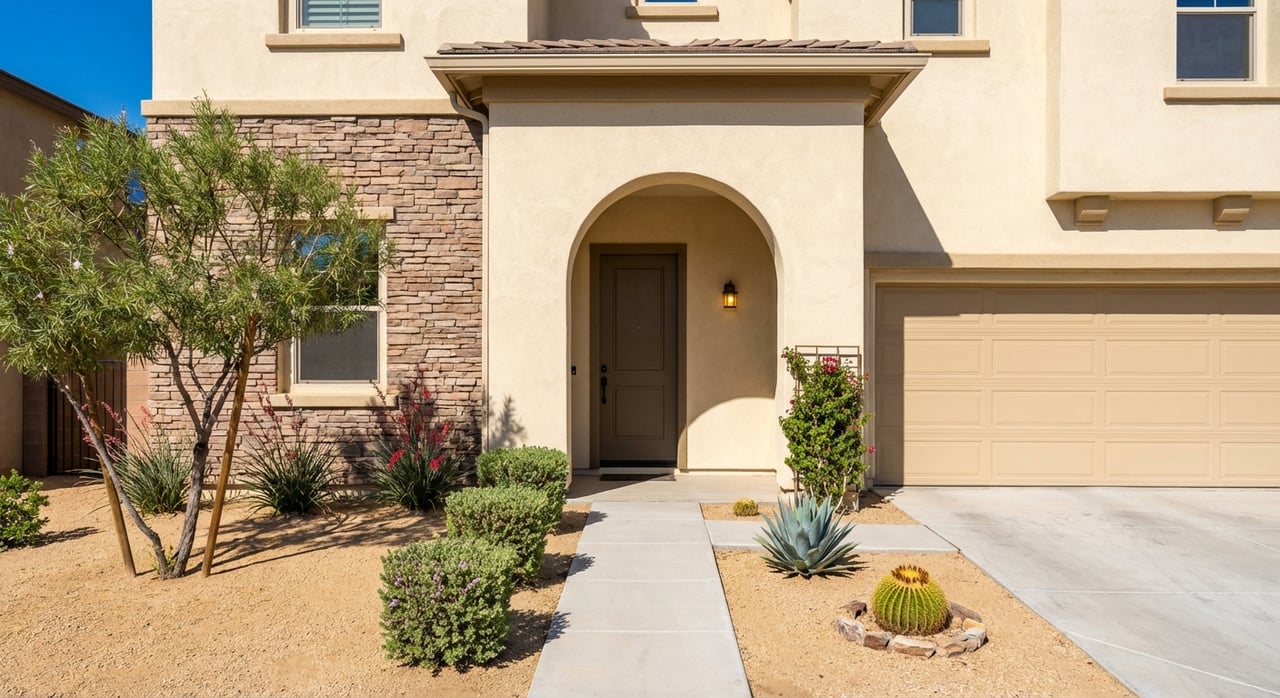
- Curb appeal: Trim shrubs and trees, remove dead plants, refresh gravel or turf, and tidy up walkways.
- Interior refresh: Neutral paint, deep clean, and replace worn carpet. These updates tend to photograph well and boost perceived value.
Step 5: Stage and nail the photography
Staging helps buyers picture themselves in the home. National Realtor data shows that staged homes often show and sell better, and that many agents believe staging shortens time on market and can increase perceived value. Even light staging plus serious decluttering makes a difference (NAR staging insights).
Professional photos are a must in today’s MLS and portal‑driven market. High‑quality interior and exterior shots, plus a 3D tour, can materially increase views and help you secure stronger offers. In Peoria, where many homes have pools or larger yards, drone images and a clear twilight front shot are especially effective (pro photography best practices).
Pro tip: Build a shot list with your agent. Include the front curb view, living and family rooms, kitchen, primary suite, secondary bedrooms, baths, backyard and pool, garage, and at least one neighborhood or community amenity image.
Step 6: Go live and manage showings
Set showing hours that work for you and agree on a rapid‑response plan for questions and offers. Keep the home cool and well lit, and store valuables and personal documents securely.
For occupied homes, create clear instructions for pets, access, and alarms. For vacant homes, keep utilities on for HVAC, staging lights, and inspection access. Stick to a daily tidy‑up routine so you are always showing at your best.
Step 7: Review offers and contingencies
Arizona agents commonly use the AAR Residential Resale Purchase Contract with standard addenda. Typical contingencies include financing, appraisal, and inspection. The SPDS is delivered per the contract timeline, and inspection negotiations flow through the BINSR process, so it pays to be organized (AAR standard forms).
Work with your agent to track the “critical date list.” You can expect an inspection period that is often 7 to 10 days, plus separate windows for appraisal and loan milestones. If your home is in an HOA, the buyer typically has a document review window that starts upon receipt of the resale packet. Hitting each date keeps you out of cure‑period trouble.
Step 8: Handle inspections with confidence
Plan ahead for routine items like HVAC service, water heater age, minor drywall or caulk, and window seals. For bigger issues, weigh the speed and simplicity of a credit at closing against the certainty of completing repairs before the final walkthrough. Your best move depends on market strength and buyer leverage in your price band.
A pre‑listing inspection, if you chose to do one, can limit repair debates and speed the BINSR timeline. Either way, respond quickly and document everything in writing to keep escrow on track.
Step 9: Keep escrow on track
Most Arizona transactions close in about 30 to 45 days when financing, HOA documents, and title are routine. The biggest avoidable delay is usually a late HOA resale packet, followed by appraisal scheduling and title issues. Order early and maintain clear communication with escrow to stay on schedule (market timing context; HOA resale guidance).
Title insurance costs are itemized on your closing statement. Who pays the owner’s title policy can vary by contract and local custom in Arizona, so confirm with your title officer early. You can preview estimated premiums with an Arizona title calculator and talk through how costs are typically split in your deal (Arizona title cost examples).
Week‑before‑closing checklist
- Confirm payoff figures for your mortgage and any recorded liens.
- Verify HOA transfer paperwork and fees are submitted and valid through the closing date.
- Gather keys, gate remotes, mailbox info, and warranties or manuals for closing delivery.
- Coordinate your move‑out and the buyer’s pre‑closing walkthrough per contract.
Step 10: Closing day and after
Review and sign your final settlement statement ahead of time so there are no surprises with proceeds or fees. After recording, keep a copy of the deed and closing statement for your records and tax prep.
Transfer or stop utilities as agreed in the contract. Confirm the HOA shows the ownership change and that you have turned over any gate codes or community passes the buyer will need.
Timeline at a glance
- Listing day: Sign the listing, complete your SPDS, start AC and pool service, tidy landscaping, and schedule staging and photography. Notify title and escrow that the listing is live (AAR standard forms).
- Contract acceptance: Deliver SPDS per contract, open escrow, and ensure HOA and title orders are placed promptly. If your agent or title did not already order the HOA packet, do it now (AAR standard forms).
- Inspection period: Expect 7 to 10 days in many contracts. Review the BINSR and decide on repairs or credits. Aim to resolve quickly to keep appraisal and underwriting on schedule (AAR standard forms).
- Mid‑escrow: Appraisal, underwriting, title clearance, and HOA packet validity checks carry you to loan approval. Address any title name or lien issues as soon as they come up (Arizona title cost examples).
- Final week: Confirm payoffs, sign closing docs, complete move‑out as agreed, and get ready for the buyer’s final walkthrough and recording.
Your Peoria sale, simplified
When you price precisely, market beautifully, and deliver clean paperwork fast, you protect your time and your bottom line. If you want a local team that treats your goals like their own and keeps every step organized, we are here to help. Reach out to The McIvor Team to walk your home, dial in pricing by neighborhood, and build your custom timeline. Ready to get started? Request Your Free Home Valuation today.
FAQs
What documents do Peoria home sellers need to provide?
- Complete the Arizona SPDS and provide the statewide Seller Advisory, and include lead‑based paint disclosures for pre‑1978 homes as required by federal law (AAR standard forms; lead‑based paint rule details).
How long does a financed sale usually take to close in Peoria?
- Many Arizona transactions close in about 30 to 45 days when HOA documents, appraisal, and title are routine, though timelines can shift with market conditions (market timing context).
Do I need to order the HOA resale packet as the seller?
- Order the packet as soon as you go under contract because it often takes 5 to 15 business days and buyers usually get a review window that can delay closing if delivery is late (HOA resale guidance).
What is the BINSR in Arizona and how does it affect me?
- The BINSR is the Buyer’s Inspection Notice and Seller’s Response form used to request and negotiate repairs after inspections, so responding quickly and clearly keeps escrow on track (AAR standard forms).
Do Peoria sellers have special environmental disclosure rules in 2025?
- Only if the property is a qualifying site with a known hazardous‑substance release or on certain registries, which triggers notice under Arizona HB 2127 (Arizona HB 2127 text).
What small fixes offer the best return before listing in Peoria?
- Service the AC, clean and tune the pool, refresh desert landscaping, and apply neutral paint or replace worn flooring so your photos shine and buyers feel confident (NAR staging insights; pro photography best practices).