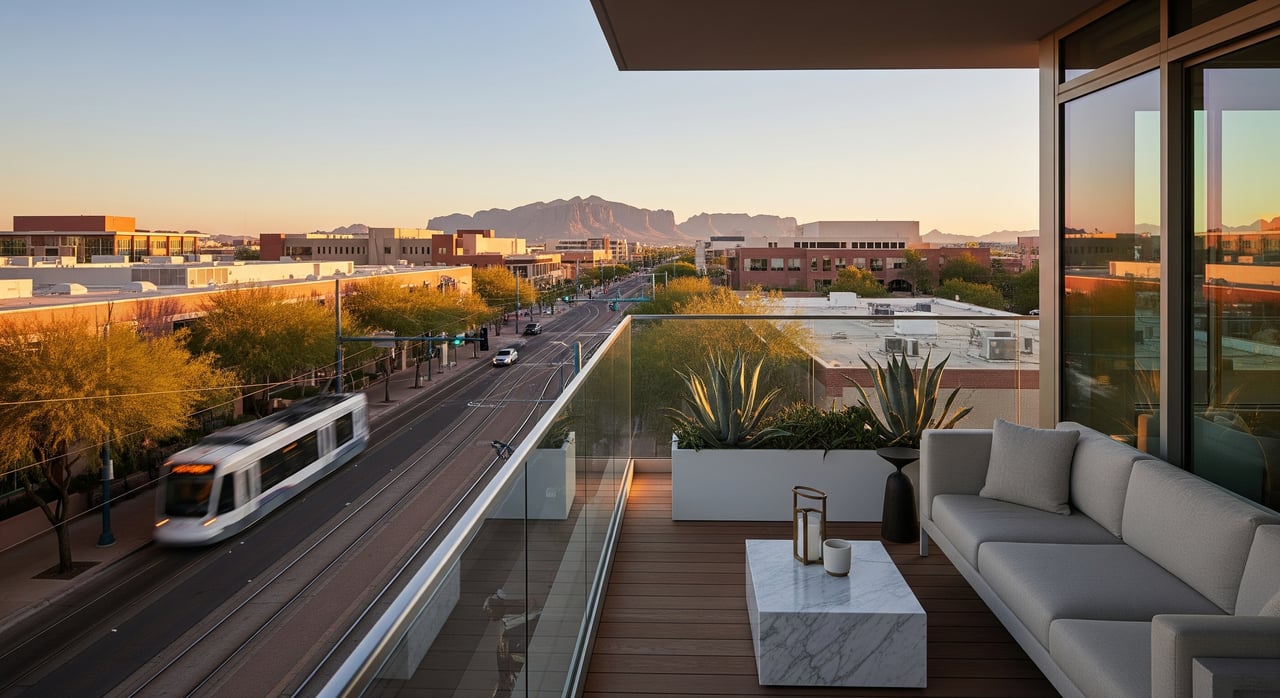
Want arts, a university vibe, and car-optional commuting, all along one mile of Main Street? If Downtown Mesa is on your radar, you are not alone. Buyers and renters are drawn to its culture, ASU energy and light rail access, while sellers see strong interest in walkable listings. This guide shows you what life feels like here, how transit and ASU shape the market, and practical tips to buy or sell with confidence. Let’s dive in.
Why Downtown Mesa stands out
Downtown Mesa is the city’s core along Main Street near Center Street, home to civic buildings, cultural venues and a growing mix of apartments and shops. Mesa is Arizona’s third-largest city, which gives the area pull for jobs, schools and entertainment across the metro. Mesa’s overview highlights its scale in Greater Phoenix.
A major catalyst is ASU at Mesa City Center, a joint City of Mesa and Arizona State University project that adds academic buildings, public studios and a central plaza. The MIX Center opened in 2022 and now hosts classes, screenings and community programs that bring steady foot traffic downtown. You can see the impact in ASU’s grand opening coverage and MIX Center program details.
Arts and culture at your doorstep
Downtown Mesa’s cultural anchors make after-work and weekend plans easy. The Mesa Arts Center, the state’s largest comprehensive arts campus, runs year-round shows, classes and exhibits just off Main Street. Explore its scale in the Mesa Arts Center profile.
Families enjoy hands-on experiences at the i.d.e.a. Museum and the Arizona Museum of Natural History nearby. Learn more about the children’s art focus at the i.d.e.a. Museum.
Seasonal festivals, live music and holiday events like Merry Main Street keep sidewalks active. For a feel of the scene and upcoming calendars, browse Visit Mesa’s downtown guide.
ASU at Mesa City Center: what it means for you
The MIX Center and The Studios add film, media and immersive technology programs plus public-facing events. That means more daytime energy on weekdays and more screenings and gatherings in the evenings.
For buyers and renters, this can translate to lively coffee shops, creative workspaces and a steady stream of pop-up events. For sellers, proximity to the plaza and ASU buildings is a marketable amenity for urban-minded buyers. You can see how ASU and the city envisioned this catalytic role in ASU’s project overview.
Light rail and easy commuting
Valley Metro’s A Line runs through Downtown Mesa along Main Street with stations like Country Club/Main St, Center/Main St (City Center), Mesa Dr/Main St and Sycamore/Main St. Station details for the core stop are listed on the Center/Main Street station page.
In 2025, the light rail system expanded to a two-line network with more service and a Downtown Phoenix hub, which improved connections across the valley. See the update in the City of Phoenix transit announcement.
Typical rides are convenient. Trips between downtown Mesa and downtown Tempe often take about 15 minutes in regular schedules, while Downtown Phoenix trips are longer and vary by routing. Check current timetables with tools like Moovit’s A Line guide before you quote commute times in a listing.
Homes and buildings near Main Street
The area around Main Street offers a mix of options: older single-family homes on nearby blocks, historic bungalows, infill townhomes, and a growing number of mid-rise apartments and some condos. Newer mixed-use buildings add retail at the ground level and apartments above, which supports an active street life.
If you value short walks to shows, restaurants and the rail, focus your search within a few blocks of the Center/Main St station or Mesa Arts Center. Plan for tradeoffs on busy event nights. Noise, parking competition and occasional construction are part of the urban core experience.
Buyer tips for Downtown Mesa
- Map your weekly routine. Time the walk to your nearest station, Mesa Arts Center and ASU MIX Center.
- Ride the rail at rush hour and late evening to gauge frequency that fits your schedule.
- Visit on an event night to check street activity, lighting and noise near your target block.
- Ask about parking options, assigned spaces and potential permits for guests.
- If you plan to rent out a unit, review HOA or city rules and typical lease demand near the stations and ASU.
Seller tips to strengthen your listing
- Lead with proximity. Note the exact walk in minutes to Center/Main St station, Mesa Arts Center and the ASU plaza.
- Highlight convenience features like assigned parking, bike storage and nearby garages.
- Mention nearby events and name the venues to paint a lifestyle picture for buyers.
- Share any recent streetscape or plaza upgrades that improve curb appeal or pedestrian comfort.
What to watch next
The city is active on bike and pedestrian improvements, including Center Street design discussions and network upgrades that make it easier to reach stations and venues. See Mesa’s current program page for project context and resources: Bike & Pedestrian Program.
City leaders have also discussed a partial Center Street revamp that could change lane and curb configurations. Keep tabs on updates in local coverage like this Center Street planning report.
Ready to explore or list in Downtown Mesa?
Whether you are relocating, buying your first home, or timing a sale around the next wave of downtown growth, you deserve clear, patient guidance. If Downtown Mesa’s arts, ASU energy and light rail access fit your goals, let’s talk through your plan and next steps. Reach out to The McIvor Team for friendly, expert help.
FAQs
Is Downtown Mesa walkable for daily errands?
- Yes. Main Street concentrates restaurants, coffee, shops and cultural venues in a compact area, though block-by-block walkability varies. Use precise walking times from the home to key spots.
How long is the light rail commute from Downtown Mesa?
- Rides to downtown Tempe are often about 15 minutes, while Downtown Phoenix trips are longer and depend on routing. Always confirm current schedules before you plan.
What does ASU at Mesa City Center mean for residents?
- The MIX Center brings classes, screenings and community events that add daytime and evening activity, which supports nearby dining, retail and renter demand.
Are there downsides to living near Main Street in Downtown Mesa?
- Expect occasional construction, event-night noise and parking competition. Many buyers consider the tradeoff worthwhile for walkability and transit.
What should sellers highlight for a Downtown Mesa home?
- Call out the walking minutes to the Center/Main St station, Mesa Arts Center and ASU plaza, plus parking details and any recent streetscape upgrades that improve daily convenience.